
No hay productos en el carrito.
How I Learned to Wait and Be Sober, at the Same Time
And in the meantime, being sober will allow you to make more meaningful, lasting friendships based around ‘real’ things as opposed to intoxicated interactions. Many people struggling with addiction want to get sober, but share common fears about what sobriety entails. Let us take this opportunity to refute these fears and show you why getting sober is better than you realised.

Managing Fear in Recovery
Facing social pressure or a fear of missing out (FOMO) are real challenges. Breaking fear into smaller, manageable tasks can make it less daunting and more achievable. Each small but important step helps build confidence and reinforces your ability to conquer your fears.
Why Fear Is Common in Recovery
Early in my sobriety, I had this fear that I still hold on to today, nearly seven years later. I know I have an addictive brain and that using any sort of substance means I am most certainly signing my own death warrant. As long as I hold on to it dearly, my life in sobriety will only continue to get better. There’s the chance that they might not make it through it, they could fail, and then there’s the pressure to succeed. There’s a fear of a life without Alcoholics Anonymous the ability to ever drink or take drugs again.
Start Your Journey with Us
The idea of being labelled an ‘addict’ or ‘alcoholic’ the rest of your life can often be even scarier. But what you need to remember is that you can choose who to share your journey with – and who to exclude. Only those who are closest to you need to know about the reasons behind your decision to stop abusing substances. And the only people who will try to tell you otherwise are people who still require drugs or alcohol in order to have fun. Recovery, by definition, requires change—behavior change, change in mindset, and change in relationships and lifestyle. For many, the fear of change comes from the uncertainty that change brings.

The hardest stage of sobriety is often considered to be the first 90 days, referred to as the «danger zone» or «intensive care» phase. This period begins with medical detox to manage withdrawal symptoms, a phase that many experience as the most challenging part of their recovery journey. Following detox, it’s recommended to stay in a residential inpatient program, which significantly aids in preventing relapse. For some, being sober means dealing with painful memories, powerful emotions, and incredibly stressful thought patterns. While some people fear the physical pain of getting sober, others are more concerned about having to face emotions they’ve long avoided.
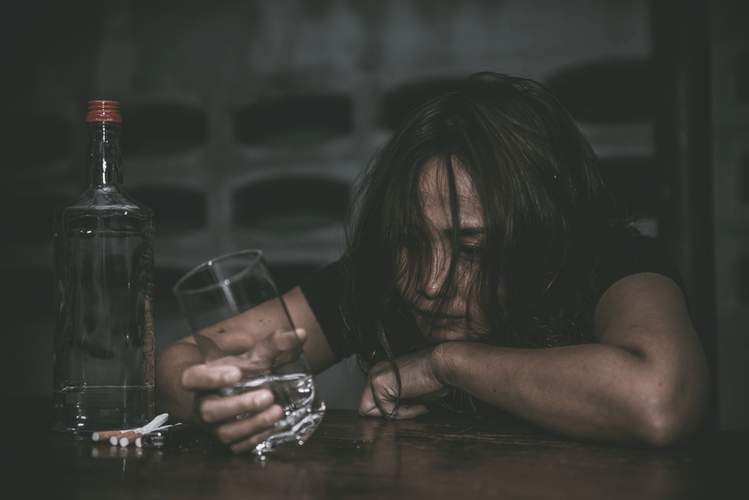
It may also encompass concerns about how to cope with stress and social situations soberly if one does not feel they have the proper emotional tools to regulate the nervous system. There are various strategies to assuage fears during the journey to recovery. Invariably, you should https://kimberlyshop.site/how-alcohol-affects-your-kidneys-short-long-term-2/ address concerns that require practical solutions first. For example, if AUD caused your life structure to crumble, staying in a sober living facility can help you deal with the fear of what comes next.
- But, being sober commonly causes people to fear that pain coming back.
- Individuals experiencing this fear often struggle with intense anxiety regarding the prospect of living a life without alcohol or drugs.
- If you’re scared of becoming sober because you’re afraid of change, it’s important to remember that change is a necessary part of recovery.
- Each small but important step helps build confidence and reinforces your ability to conquer your fears.
- It’s not uncommon, then, to be afraid of what life will be like without these substances to help you to manage stress, family members and other challenges.
For me and the way I, personally, used substances, that’s the way it would go. To overcome this, you can practice acceptance and turn your worries over to your higher power or the collective wisdom of a higher counsel such as your sponsor or an AA or NA group. Following are the most common fears people have about getting sober, along with the reality of these fears once sobriety has been reached. We believe everyone deserves access to accurate, unbiased information about mental health and recovery. That’s why we have a comprehensive set of treatment providers and don’t charge for inclusion. We do not and have never accepted fees for referring someone to a particular center.
- Our long-term treatment approach ensures that you are equipped with the tools and support necessary to maintain sobriety and thrive.
- Their diverse expertise ensures our resources and product are innovative, evidence-based, and effective.
- Yes, meditation and mindfulness can be beneficial in managing the fear of being sober.
You’re post-detox and ready to take that first step into recovery. Just focus on talking to your therapist, working through today’s challenges and making it another 24 fear of being sober hours without using. Many people are afraid to get sober simply because they think they will hate it. When your current lifestyle revolves around drinking or drugging, it is not hard to see why the thought of living a sober life is hard to grasp. But what most people don’t realise, is that there are many ways in which life gets infinitely better when you get sober.
Those with anxiety and addiction can feel like there’s no other way to regain power over their mental states than to turn to substance abuse. Anxiety disorders often involve a long-lasting and intense worry or fear that doesn’t always logically make sense. It can cause serious issues in everyday life, which is why it’s so important to identify and manage it. I decided to call my sponsor in the program and make my case.